What does Harry Styles and Hermit Crabs have in common?
When we remove barriers, magic happens. Creativity can lead the charge simply by being inclusive.
It’s not even week three of January 2026 and low‑fi creative campaigns are already taking over Instagram. Grainy phone shots. Unstyled rooms. Real life energy. And audiences are loving it.
Let’s talk Harry Styles.
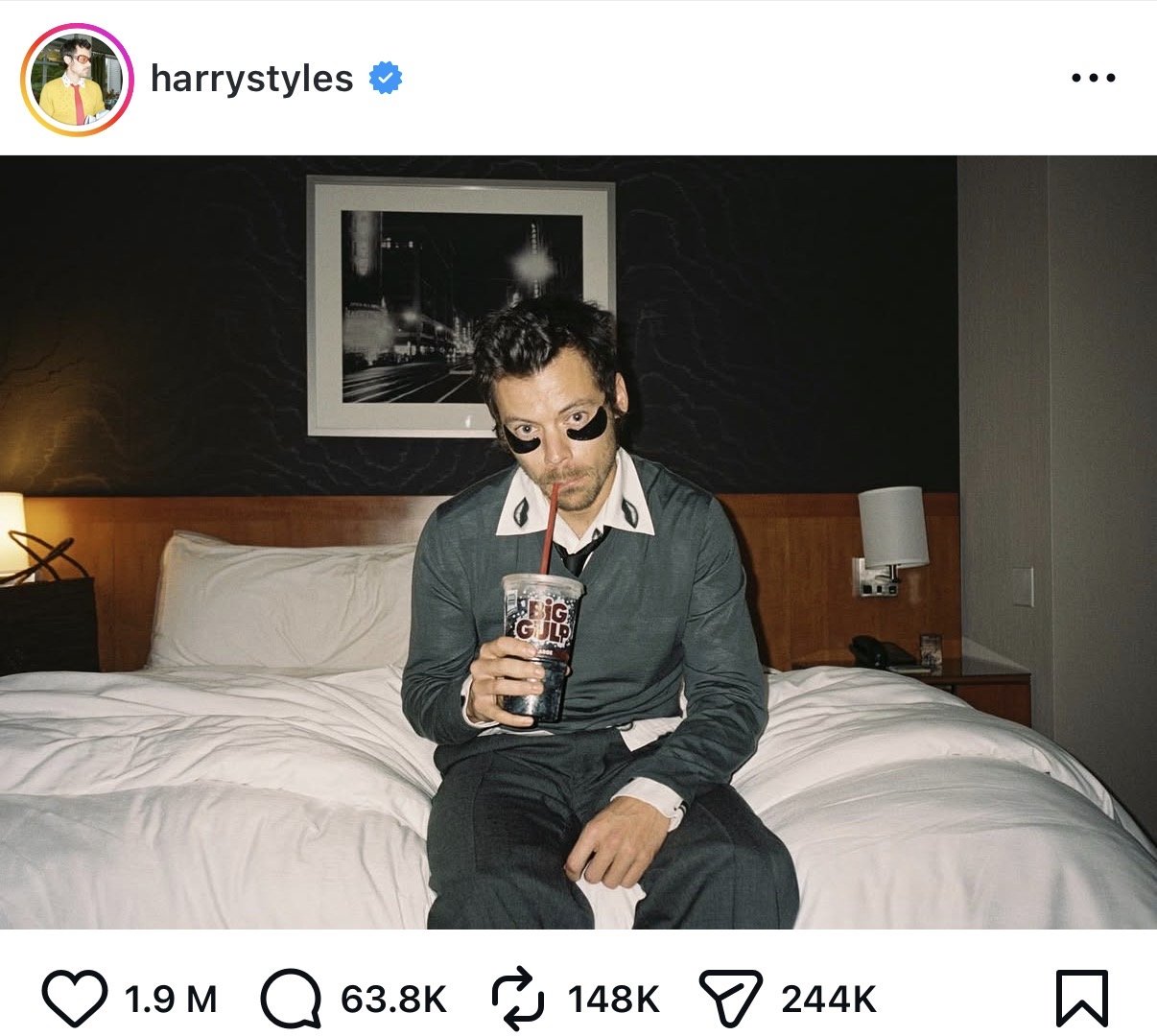
Image Description: A screen shot of Harry Styles instagram. Harry sitting on a bed in a hotel room, low fi and rumpled slurping a slurpee and wearing an under eye mask.
Last week Harry Styles announced his new album and world tour. The image with the post on the gram was a low-fi shot in a hotel room, rumpled (messy bed, stuff on the bedside table) and Harry with eye patches on, slurping a slurpee.
And it worked.
Because it felt human.
This isn’t just a pop star thing either. Iconic Australian brand RM Williams has been doing the same with their recent low‑fi, phone‑shot content — including their Outback Tom campaign. Less gloss. More grit. More real Australia.
Low‑fi isn’t lazy. It’s intentional.
So what does this have to do with disability?
Everything.
Low‑fi campaigns quietly remove barriers.
They don’t require:
Perfect bodies
Perfect homes
Expensive equipment
Studio access
“Looking the part”
That matters when you’re talking about disability representation, inclusive marketing, and who gets to show up in brand storytelling.
For many disabled people, high‑production campaigns are inaccessible by design. Physically. Financially. Creatively.
Low‑fi flips that.
A phone. A moment. A story.
That’s it.
And suddenly more people can participate, not just as talent, but as creators.
And for the hermit crabs, well that story is coming up next 🐚🤖
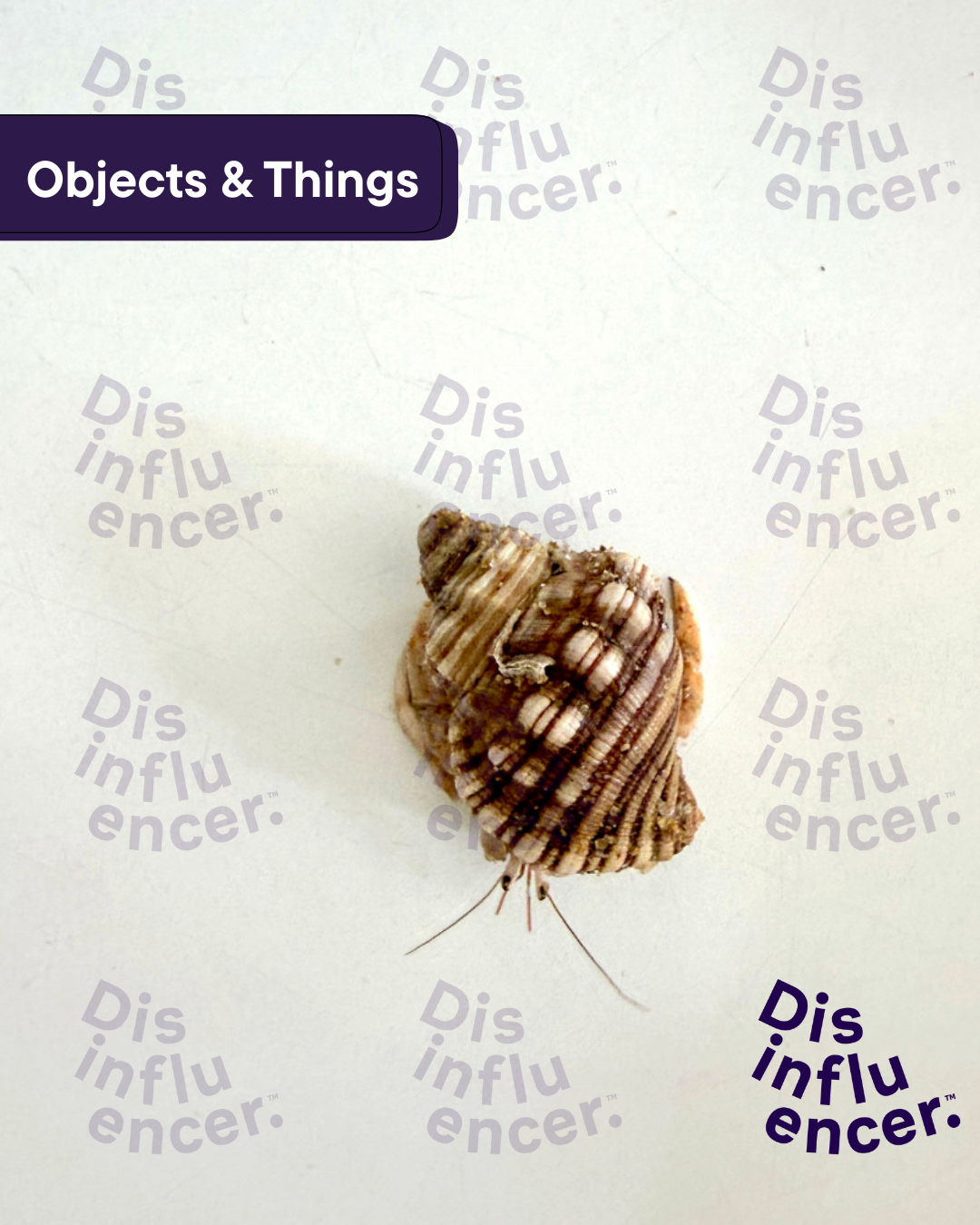
Image Description: A photo of a Hermit Crab from the disinfluencer inclusive stock library. Image Description also in alt txt.